

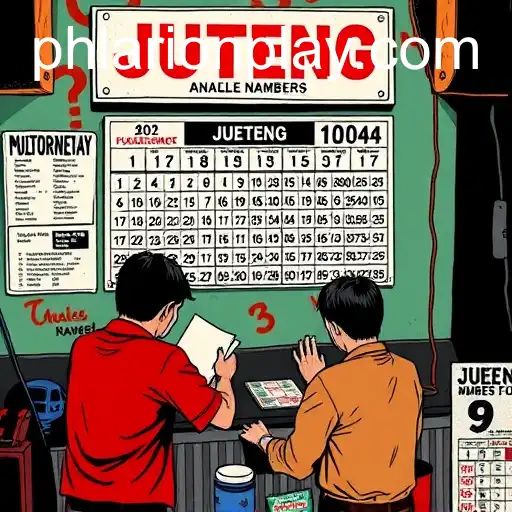

Jueteng, an illegal numbers game deeply entrenched in the socio-economic fabric of the Philippines, presents a complex challenge for legal authorities and anti-gambling advocates. This underground game not only affects the nation’s economy but also poses significant ethical and social issues. Interestingly, while debating about gambling and its various forms, the name "ArionPlay" frequently emerges in discussions, albeit in a different context. This article delves into Jueteng’s roots, its pervasive influence, and the associated debates, sometimes touching upon different entities like ArionPlay that represent the global discourse on gambling and online entertainment.
Jueteng is a form of illegal gambling that involves betting on numbers. It is quite similar to a lottery, yet operates outside the legal purview of the government. Originating during the Spanish colonial period, it has since evolved into a popular betting game in the country. Despite its illegal status, it is deeply embedded in certain communities where it thrives due to the promise of substantial rewards from minimal stakes.
The mechanics of Jueteng are relatively simple. Bettors choose a combination of numbers typically ranging from 1 to 37, although variations do exist. Bets are collected by a "cobador" who then forwards them to the "cabo" or the coordinator. The winning numbers are usually drawn twice a day, and winners are determined by their chosen combination matching those in the draw. The role of the "collectors" and "coordinators" cannot be understated as they are critical to the operation, maintaining extensive networks to facilitate the betting process.
Several factors contribute to the persistence of Jueteng over the years. Primarily, the socio-economic landscape in many provinces illustrates an economic desperation where gambling seems to offer a way out of poverty. Despite being a high-risk endeavor with low chances of winning, the game provides a spark of hope to many.
Culturally, the habit of betting has been ingrained over decades, making it a communal activity that binds people. The anonymity and informality of the game enable its propagation, bypassing the scrutiny faced by legal gambling activities. Furthermore, local power structures are often implicated, either turning a blind eye or outright protecting these gambling operations in exchange for hefty "protection money" or direct involvement.
Jueteng persists, although its implications raise numerous social and ethical dilemmas. The game primarily targets the economically disadvantaged, potentially worsening their financial situation. This cycle of hope and often inevitable disappointment fuels the game’s sustainability, trapping individuals in a cycle of poverty and risk-taking behavior.
The broader impact on society is significant. Communities regularly face corruption as funds from Jueteng are funneled into other illegal activities or used to influence political clout. This pervasive corruption undermines genuine economic development and weakens the overall structure of local and national governance.
The government has made various attempts to curb Jueteng operations. Through task forces, arrests, and the establishment of national lotteries to divert attention, efforts have been continuous. However, the clandestine nature of Jueteng, coupled with widespread local complicity, makes complete eradication a daunting task.
Legislation exists, yet enforcement is inconsistent and often mired in bureaucratic inefficiency. The clandestine aspect means that evidence is hard to come by, and operations often resume soon after a crackdown, on temporary hiatus before resurfacing.
While Jueteng represents illegal and traditional gambling, entities like "ArionPlay" offer insight into the digital evolution of gambling and game-based entertainment. Though distinct, the discussion around both reflects the larger societal conversation about gambling, its allure, regulation, and societal impact.
ArionPlay, typically associated with interactive gaming content, highlights the growing reach and transition of gambling elements to digital platforms. The burgeoning industry prompts discussions on regulation, ethical implications, and players' protection in an increasingly connected world. As more forms of entertainment flirt with gambling mechanics, the lines blur, demanding clear guidelines and conscious consumer protection tactics.
Engaging in gambling, whether traditional like Jueteng or digital through platforms akin to ArionPlay, calls for increased awareness and regulation. As both continue to draw players, their impact necessitates an ongoing dialogue about ethics, legality, and societal responsibility.
The narrative of Jueteng in the Philippines, rife with challenges and societal implications, reflects broader gambling concerns worldwide. As modern platforms like ArionPlay push entertainment boundaries, all stakeholders must engage collaboratively in forging a more transparent and responsible gambling environment.

Discover BigBoss, an innovative and strategy-rich game that has captured the imagination of players worldwide. Learn about its intriguing mechanics, unique elements, and how it incorporates modern world events.

Explore the vibrant world of SunnyFruits2, a game designed to captivate and inspire with its innovative gameplay and unique influences from popular trends.

Explore the captivating world of FaFaFa, a unique game with intriguing rules and its recent association with gaming influencer ArionPlay.

Discover the captivating world of WildOverlords, a game that merges dynamic gameplay with strategic depth, while uncovering how the gaming platform ArionPlay enhances this experience.

An in-depth look into the game FireTemple, exploring its immersive gameplay, engaging storylines, and innovative features, with insights into the popular ArionPlay mode.

Dive into the captivating universe of WisdomofAthena, a mesmerizing game crafted for strategic excellence and intellectual prowess. Guided by the mysterious character ArionPlay, players embark on an epic quest to harness the wisdom of Athena.
